How to Write a Script for a Video

A video script is a roadmap for what you’ll be saying and showing on camera – the words and any sound or graphic cues along the way – before you hit record. The best scripts have one shape: an opening, a middle with three to five points, and a closing call to action.

This matters most if you're a blogger or YouTuber who talks straight to camera: with no narrator, no actor, and no b-roll to lean on, the script is what keeps a talking-head video from wandering. This guide covers how to write a video script for YouTube, vlogs, and short-form clips, walks through a full talking-head example, and ends with a free template you can start filling in today.   

Edited by
Ben Jacklin
35,685

What is a video script?

How much detail you need in a video script depends on the job: a talking-head YouTube video might have the opening written out word for word, with the rest of the points outlined, whereas a tutorial needs every step to be written out. For bloggers, a script keeps the shot on track, for anyone explaining something complicated it keeps the logic straight, and for someone new to this it’s the fastest way past a blank page. Explainer channels use it to keep a complex topic in order. Beginners use it because it's the fastest way to stop staring at a blank page.

How to write a video script

Find out what the video is about 

Know what you want the viewer to know, feel, or be able to do by the time the video is over before you write a single word. A single clearly defined goal is better than five vague ones – “show someone how to batch-edit travel photos” is a plan, “make a cool editing video” is not. Focus on the value prop that drives watch time and CTR. If you are a beauty Creator instead of "My daily makeup routine," use "10-minute camera-ready makeup for natural light." 

Outline for retention

Most YouTube videos and vlogs do best with three to five main points. Map out your core beats before writing full sentences. Structure your vlog or video so viewers stay engaged through the mid-roll without dropping off. As a travel blogger, you can group your content by value: "3 Hotel Booking Mistakes," "Where to Eat on a Budget," and "A Hidden Spot Without Tourists."

Lead with an opening hook, not a hello

Skip the "hey guys, welcome back" intro. Instead, begin with a problem, promise, or glimpse of payoff – a question or contrast such as “most people get this wrong”. However you begin, the first line has to justify the next few minutes. Your opening line must prove to both the viewer and the YouTube algorithm why this video is worth their time.

Write the body straight from the outline

Turn each outline item into a short section with a clean handoff into the next. Keep the lines short so it’s easier to read each line out loud as you go. As a gaming creator, you can hook viewers immediately by launching into a high-stakes experiment rather than a long greeting: "I spent 50 hours testing this viral trick so you don't have to – here's what happened."

Be sure to note your audio and visual cues as you go

Next to each section, write what is on screen: footage, a screen recording, a text overlay, a chart, a snippet of music. Anything that will require a caption or graphic gets flagged now as it is much harder to remember once you are deep in the edit.

End with a call to action, not a summary

Clearly state what you want the viewer to do next: subscribe, watch a related video, go try the technique. Leave out the generic "thanks for watching." You can replace a generic goodbye with a targeted action that drives channel growth: "Comment below with the camera you want me to test next, and tap the video on screen to see the full setup."

Say it out loud, then cut it

Most people miss this step. It's in reading aloud that you hear the sentences that are too long, the jokes that don't land, the lines nobody ever says in real conversation. Cut out anything that doesn’t work toward the goal you set in step one. 

Video script structure for short videos 

1. HOOK (0:00–0:07)

Instantly grabs attention by targeting a relatable pain point to prevent scrolling.

  • "400 vacation photos and no idea where to start? Stop right here."
  • Quick montage of a cluttered photo folder with on-screen text "400+ photos?".
  • Sharp sound effect (Whoosh) as the folder opens.

2. BODY (0:07–0:42)

Delivers value through three fast steps: quick sorting, fixing the hardest photo first, and batch-applying edits.

  • "Step one: filter first—keep, maybe, or delete. Step two: edit your worst photo first. If a preset saves your darkest shot, it works on the rest. Step three: batch apply to the whole album in one click."
  • Rapid gallery sorting with color labels, exposure sliders fixing a dark photo with a "Before/After" split, and a screen recording of clicking "Batch Apply".
  • Soft, rhythmic background music under the voiceover.

3. CALL TO ACTION (0:42–0:50)

Directs viewer attention toward a high-value outcome and prompts immediate engagement.

  • "Get my exact preset in the description and go save your vacation photos."
  • Animated banner reading "Link in Description" with a bold arrow pointing down.

Free script templates you can download

A simple downloadable template – body points, a column for audio and graphics, call to action – turns that blank page into something you just fill in. It's worth having a few on hand for different formats: one for a YouTube video, one for a training video aimed at coworkers, one for a 30-second short.

You can build templates using popular production tools and AI assistants:

  • StudioBinder & Canva: Offer free downloadable AV script and visual storyboard templates in PDF, Word, and customizable visual layouts designed specifically for video creators.
  • Notion Template Gallery: Features pre-built, multi-column video production boards tailored for YouTubers and vloggers to map out scenes, voiceovers, and graphics side-by-side.
  • AI Tools (Jasper AI, InVideo AI, ChatGPT): Use built-in prompt templates to generate instant two-column script tables. Prompts like "Create a 2-column script table with Visuals on the left and Audio/Voiceover on the right" automatically structure raw ideas into production-ready blueprints.

Your script is complete the second your editor knows precisely what to cut, what to keep, and what visual comes next. For YouTubers and vloggers talking directly to the camera, that clarity is what separates a rambling video from an intentional message – even on take five. Now, it's just about opening your footage and sticking to the blueprint you built for your audience.

From script to screen: editing software that keeps up

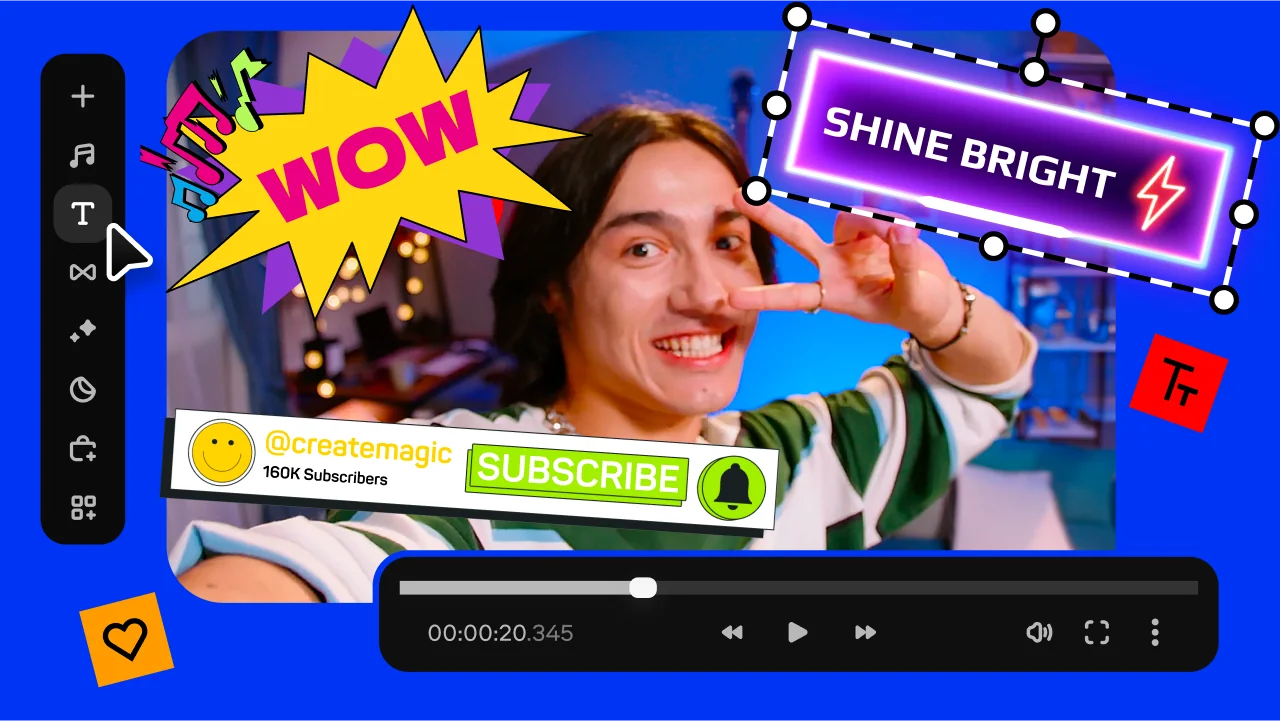
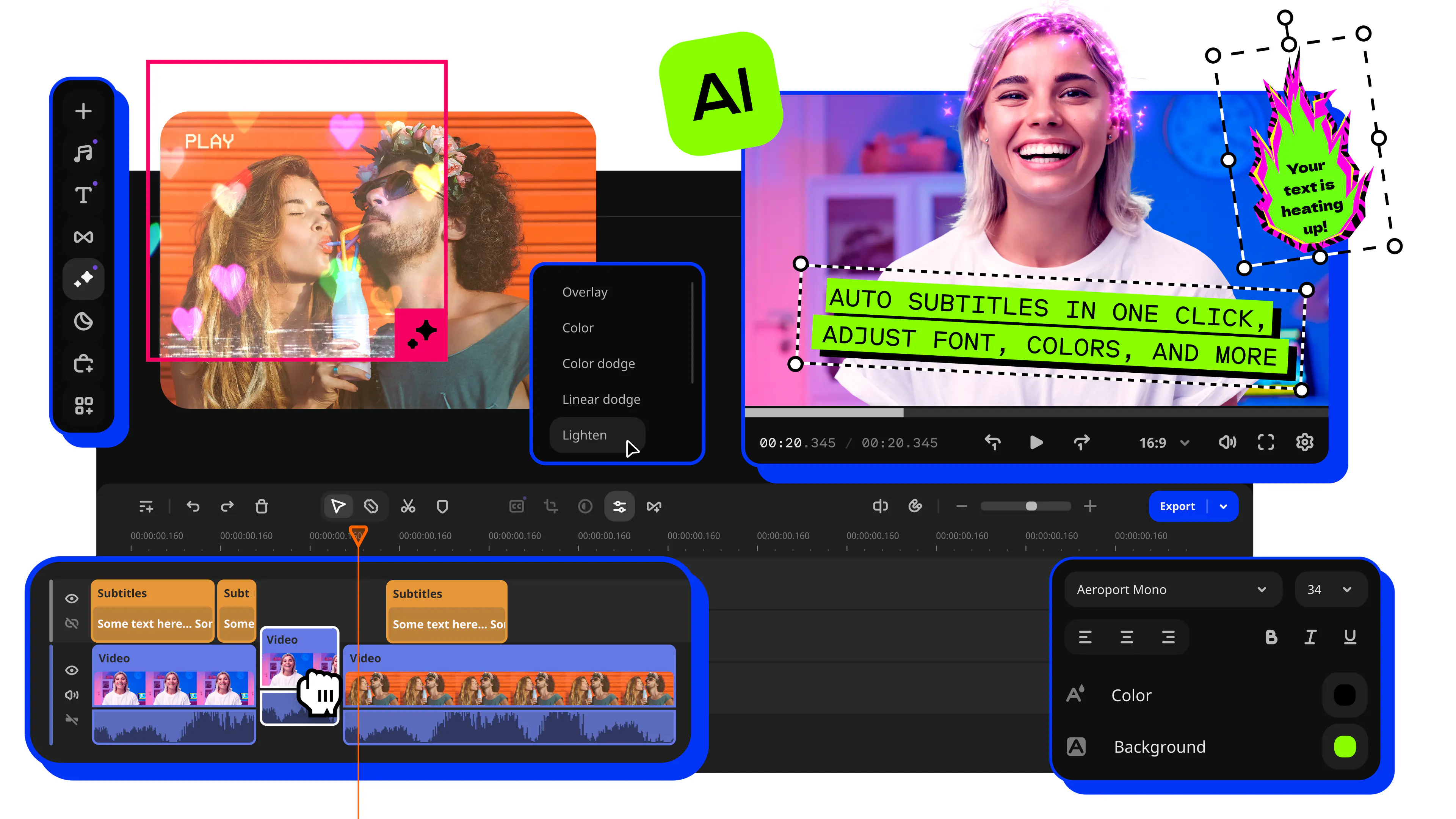
Once the script's done, the edit is where beginners tend to lose the most time – and where the right software actually matters. Movavi Video Editor stays simple and fast by keeping the workflow drag-and-drop: hover previews mean dropping a title, transition, or filter onto the timeline is the whole move, no digging through menus required.

AI tools: From draft script to publish‑ready video without micro‑edits

On the visual side, Movavi Video Editor ships with hundreds of built-in drag-and-drop effects – titles, transitions, filters, overlays – for whatever style your script calls for. And the optional Movavi Effects subscription adds 10,000+ extra effects and 1,500+ royalty-free music tracks across trending themes, allowing you to preview any effect directly on your footage before committing. And if you ever hit creator's block, Movavi Ideas delivers a free, step-by-step video editing tutorial every week, exclusive to Movavi users.

Frequently asked questions

How long should a video script be?

As long as it takes to cover your outline, and no longer. Spoken word count runs roughly 130–150 words per minute of finished video, so a five-minute YouTube script lands somewhere around 650–750 words before you trim it down.

What's the difference between a script and an outline?

An outline is the bullet-point skeleton of your main points. A script writes out the actual lines you'll say, plus notes on the audio and graphics that go with each one.

Do I need a full script for a vlog?

Not necessarily. Plenty of vloggers script the hook and the call to action word for word, then leave the middle as a bulleted outline – that way, the day-to-day parts still sound natural on camera. 

Can a 30-second short have a script?

Yes – if anything, short videos call for tighter scripts, since there's no room for a slow start.

What software should I use to edit a scripted video?

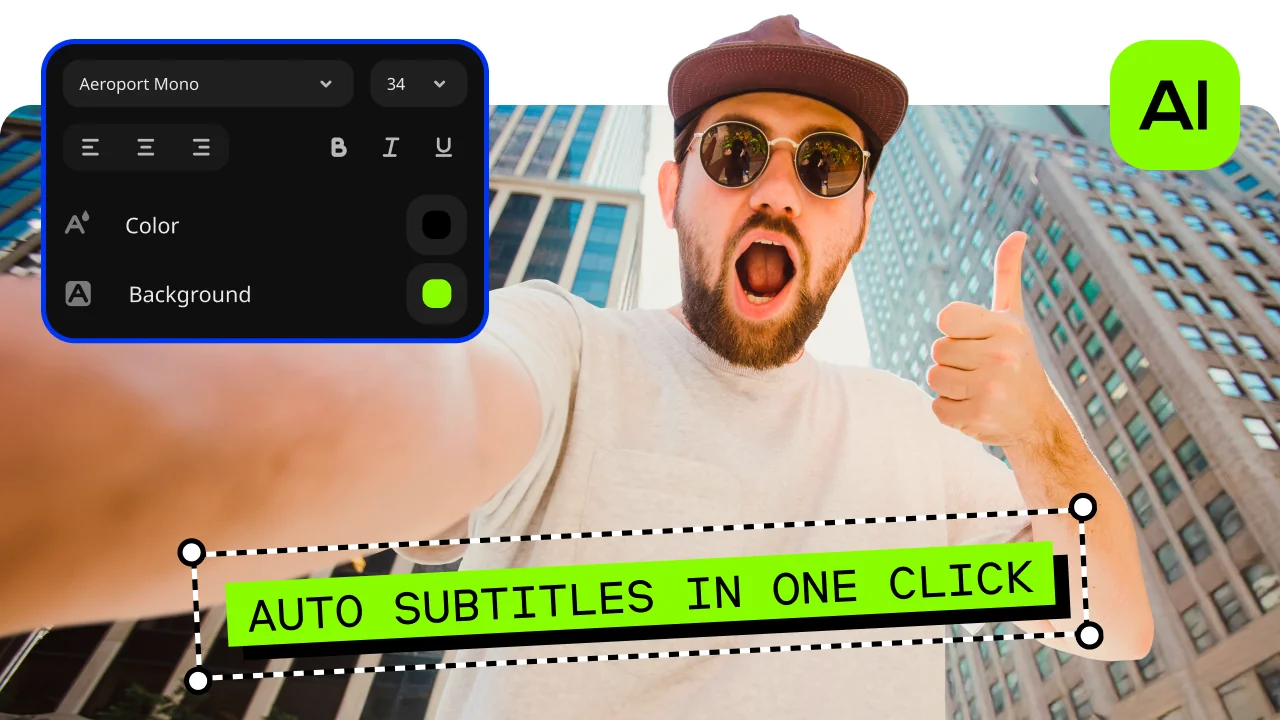
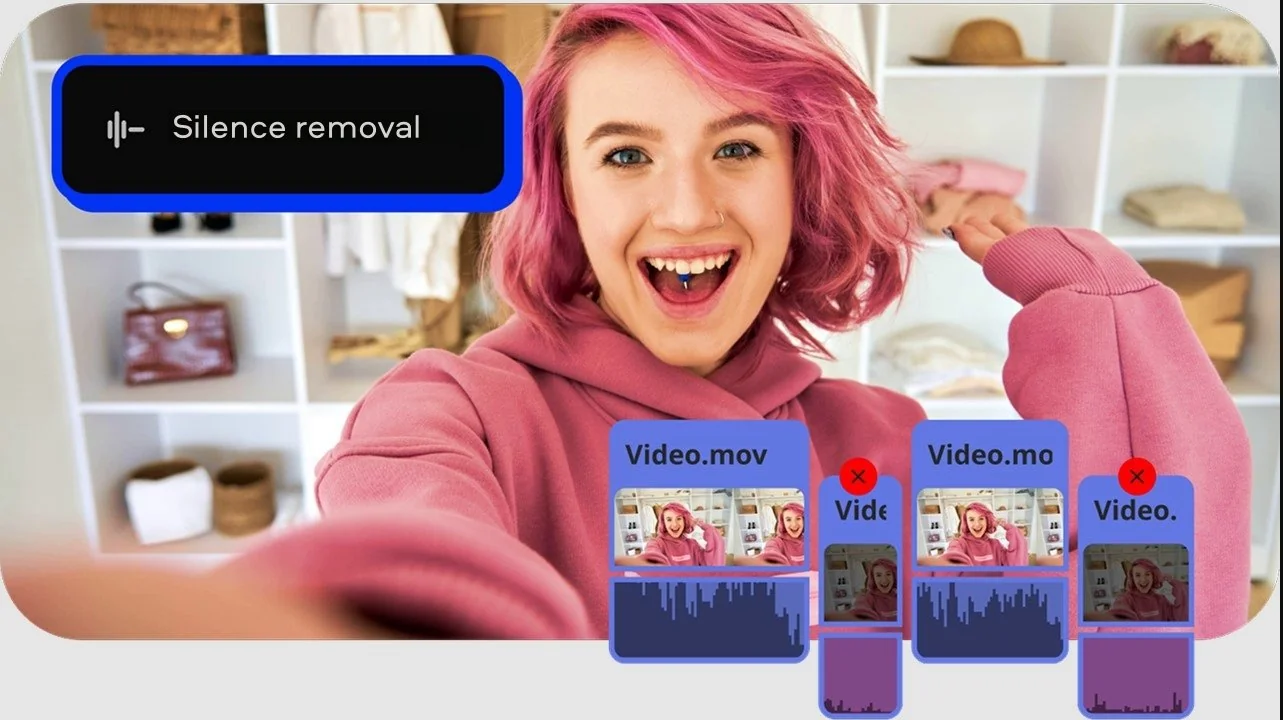
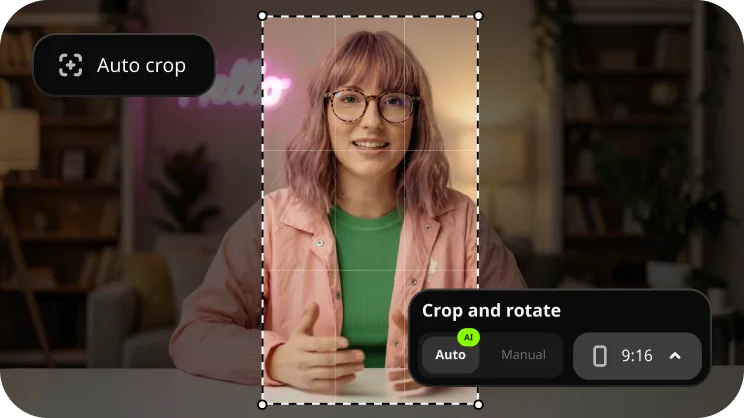
Whatever matches your script's format will work, but for beginners, an editor with built-in AI tools for subtitles, silence removal, and cropping – Movavi Video Editor, for instance – turns a written script into a finished video without a steep learning curve. 

Have questions?
If you can’t find the answer to your question, please feel free to contact our Support Team.
Join us for discounts, editing tips, and content ideas

1.5M+ users already subscribed to our newsletter

By signing up, I agree to receive marketing emails from Movavi and agree to Movavi's Privacy Policy.