How to Get XRecorder for PC: Download Options and 4 Better Alternatives for Windows 2026

Edited by
Sam P Dunn
52,932

XRecorder is an Android-only screen recording app, but many users want to run it on their Windows computers. While you can use Android emulators to get XRecorder working on PC, there are often simpler solutions designed specifically for desktop use that might work better for your needs.

Key takeaways

  • For mobile recording: XRecorder works great on Android devices (free download from Google Play)
  • For PC recording: you'll need an Android emulator like BlueStacks, or consider native Windows alternatives
  • Best approach: native PC screen recorders often perform better than running mobile apps through emulators
  • Free options available: both emulator routes and direct PC alternatives include free solutions

What is XRecorder and why people want it on PC

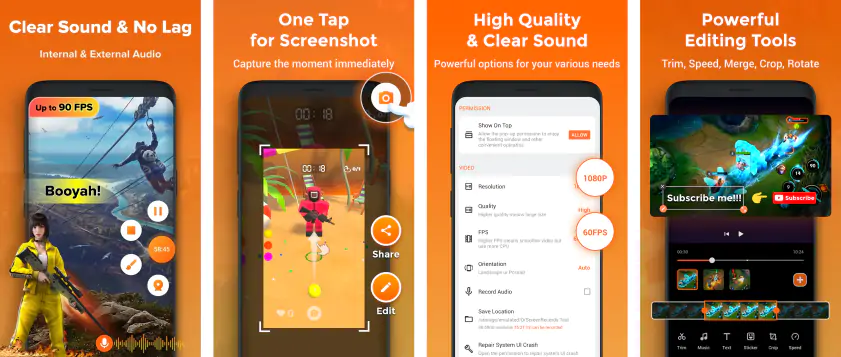
XRecorder has built a solid reputation as a free screen recording app for Android devices. The app lets you capture your phone screen, add basic edits, and share videos directly to social platforms. With a 4.8 rating on Google Play, it's clearly doing something right for mobile users.

But here's where it gets tricky. Many people who use XRecorder on their phones naturally want the same experience when working on their computers. Maybe they're creating tutorials, recording gameplay, or capturing video calls – and they want familiar tools.

The reality is that XRecorder was built specifically for Android. There's no official PC version, which means you need workarounds.

How to run XRecorder on Windows using emulators

If you're determined to use XRecorder specifically, you'll need to install an Android emulator first. These programs create a virtual Android environment on your Windows 10, Windows 11, or Windows 7 computer.

BlueStacks is probably the most well-known Android emulator for PC. Here's how to get XRecorder running:

1. Download BlueStacks from their official website

2. Install the software (requires about 4 GB of RAM)

3. Open BlueStacks and sign in with your Google account

4. Find XRecorder in the Google Play Store within BlueStacks

5. Install and run XRecorder as you would on a phone

BlueStacks works reasonably well, though it can feel sluggish compared to native PC apps. The interface sometimes doesn't scale perfectly to larger screens either.
Method 2: MEmu Player

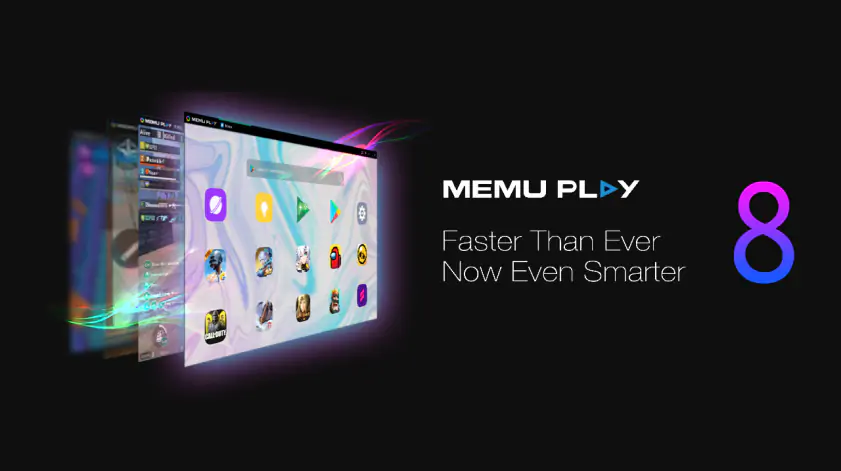
MEmu focuses specifically on Android app emulation and supports older Windows versions:

1. Download MEmu from MEmuplay.com

2. Complete the installation process

3. Launch MEmu and access Google Play

4. Search for and install XRecorder

5. Use XRecorder through the MEmu interface

MEmu tends to use fewer resources than BlueStacks, but the setup process can be a bit more technical.

Method 3: NoxPlayer

NoxPlayer offers another solid emulation option:

1. Download NoxPlayer from their official site

2. Install and wait for the initial setup (can take several minutes)

3. Open Google Play within NoxPlayer

4. Install XRecorder and start recording

Each of these emulators will let you download XRecorder for free, but they all add an extra layer of complexity compared to using software designed for your operating system.

4 better alternatives to XRecorder for PC

While emulators work, native PC screen recorders often provide better performance and more appropriate features for desktop use. Here are four solid options that might serve you better:

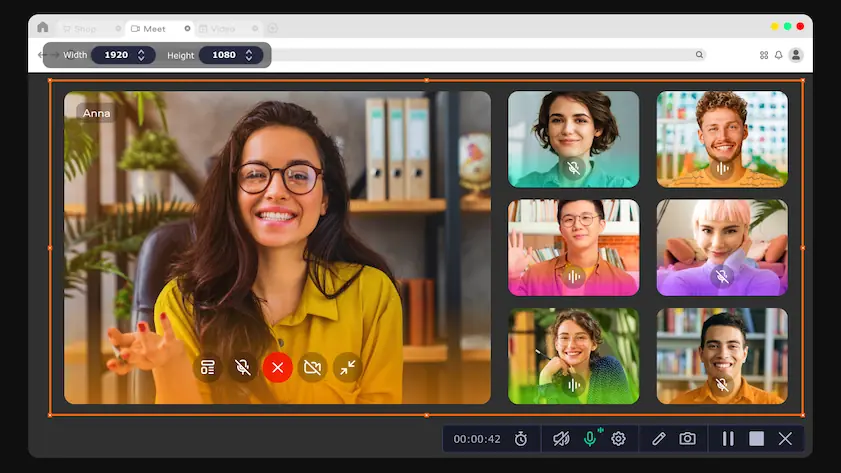
Movavi Screen Recorder was designed specifically for desktop screen capture, and it shows. You can record your full screen, select custom areas, or capture specific windows – all without the overhead of running an emulator.

The software includes features that make sense for PC use: keyboard shortcut recording, scheduled captures, and the ability to highlight mouse clicks and keystrokes during recording. For tutorials or demonstrations, these touches make a real difference.

What caught my attention during testing was how smoothly it handled high-resolution recordings. A 1080p capture that would stutter in an emulated environment ran without issues here.

Pros:
  • Native Windows performance without emulator overhead

  • Built-in drawing tools for annotations during recording

  • Scheduled recording for automated captures

  • Direct export to common formats

Cons:
  • Free trial includes watermark on exports

  • Full version requires purchase after trial period

  • Some advanced editing features cost extra

What users say:

Users appreciate Movavi Screen Recorder as a reliable alternative for recording meetings when built-in options fall short, particularly noting its flexibility across different devices and situations where the user isn't the meeting host. Reddit users mention it as part of clever workarounds for capturing important meeting content when traditional methods have limitations or permission restrictions.

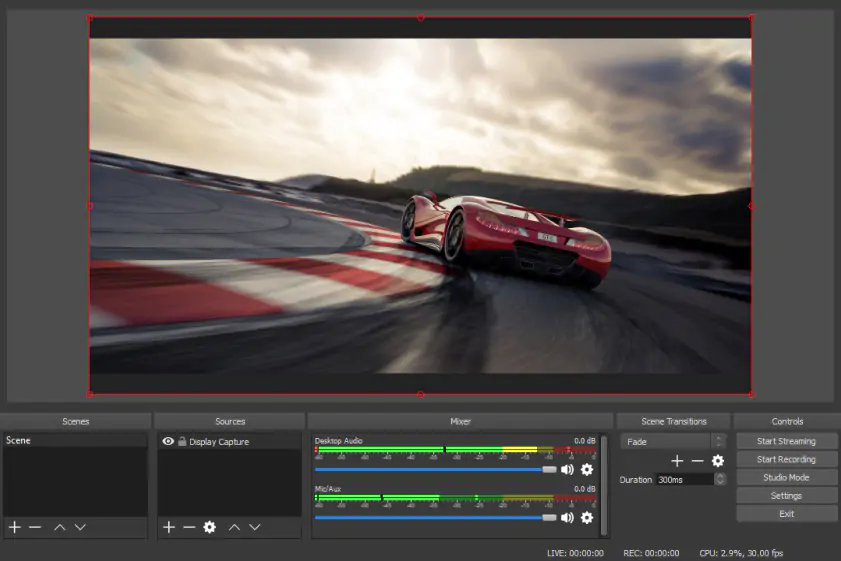
OBS Studio brings professional-level features to free screen recording. Originally built for streaming, it's become a go-to choice for high-quality desktop capture.

The learning curve is steeper than mobile apps like XRecorder, but the control you get is substantial. Multiple scene setups, custom audio mixing, and plugin support make it incredibly flexible.

During testing, I appreciated how efficiently OBS handles system resources. Even during intensive recordings, my computer stayed responsive.

Pros:
  • Completely free with no watermarks or time limits

  • Professional streaming and recording features

  • Extensive plugin ecosystem for customization

  • Regular updates and active community support

Cons:
  • Steeper learning curve than simpler alternatives

  • Interface can feel overwhelming for basic recording needs

  • Initial setup requires more configuration

3. Windows Built-in Game Bar

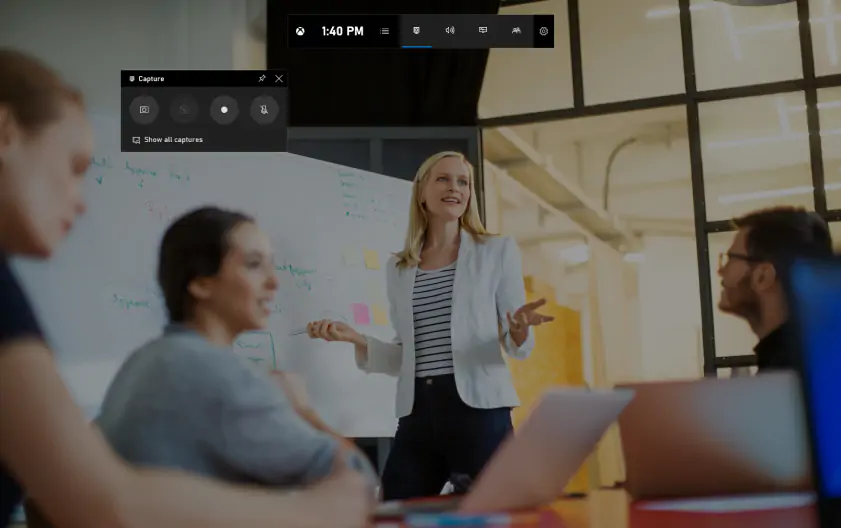
Windows 10 and Windows 11 include a built-in recording tool called Game Bar. While it's primarily designed for gaming, it works for general screen capture too.

Press Windows + G to activate it, then start recording with Windows + Alt + R. It's remarkably simple – perhaps the most straightforward option if you just need basic recording without extra features.

The quality is decent for most uses, though you won't get the advanced features of dedicated recording software.

Pros:
  • Already installed on modern Windows systems

  • No additional software or downloads required

  • Simple keyboard shortcuts for quick recording

  • Lightweight with minimal system impact

Cons:
  • Limited to recording active application windows

  • Fewer customization options compared to dedicated tools

  • Cannot record desktop or file explorer directly

ShareX takes a different approach by combining screen recording with screenshot tools and file sharing options. It's open-source and completely free.

The software excels at quick captures and automated workflows. You can set up custom hotkeys for different recording regions, automatically upload completed videos, and even add watermarks or annotations.

What impressed me was the range of export options. ShareX can automatically convert and upload your recordings to various platforms, streamlining the sharing process.

Pros:
  • Open-source with active development community

  • Combines screenshots, recording, and file sharing

  • Highly customizable with automation workflows

  • Multiple upload destinations built-in

Cons:
  • Interface feels dated compared to modern alternatives

  • Can be overwhelming with too many options for simple tasks

  • Documentation assumes some technical knowledge

Choosing the right approach for your needs

The best choice depends on what you're actually trying to accomplish:

For basic screen recording on Windows: The built-in Game Bar handles simple tasks without extra downloads. If you need more features, Movavi Screen Recorder offers good balance of simplicity and functionality.

For professional content creation: OBS Studio provides broadcast-quality recording with extensive customization options, though it requires more setup time.

For automated workflows: ShareX excels if you need to process and share many recordings with consistent settings.

If you specifically need XRecorder: Use BlueStacks emulator, but expect slower performance compared to native alternatives.

The honest truth is that most people who want XRecorder on PC would be better served by a native Windows application. Emulators work, but they add complexity and resource overhead that isn't necessary for straightforward screen recording tasks.

Movavi Screen Recorder
The perfect way to record anything from your screen

Disclaimer: Please be aware that Movavi Screen Recorder does not allow capture of copy-protected video and audio streams.

Frequently asked questions

Can I download XRecorder directly for Windows?

No, XRecorder is only available as an Android app. To use it on PC, you need an Android emulator like BlueStacks, MEmu, or NoxPlayer.

Is it legal to use Android emulators to run XRecorder on PC?

Yes, using emulators to run Android apps is completely legal. Both the emulators and XRecorder are legitimate software that you can use according to their terms of service.

Which emulator works best for running XRecorder on older Windows versions?

MEmu Player has good compatibility with Windows 7 and older systems, while BlueStacks focuses more on newer Windows versions. NoxPlayer falls somewhere in between.

Do I need a powerful computer to run XRecorder through an emulator?

Emulators require more resources than native apps. You'll want at least 4 GB of RAM and a decent processor. For smoother performance, consider native PC screen recorders instead.

Are there any free native PC alternatives that work as well as XRecorder?

Yes, OBS Studio is completely free and offers more features than XRecorder. Windows Game Bar is also built into modern Windows versions for basic recording needs.

Join us for discounts, editing tips, and content ideas

1.5M+ users already subscribed to our newsletter

By signing up, I agree to receive marketing emails from Movavi and agree to Movavi's Privacy Policy.