How to Record Zoom Meetings as a Participant: 5 Proven Methods in 2026

Recording Zoom meetings when you're not the host requires the right tools and approach. Whether you need to capture a lecture, preserve meeting notes, or document important discussions, several reliable methods can help you record these sessions effectively.
- Three approaches stood out: desktop software, an iOS built-in recorder, and AZ Screen Recorder for Android.
- Desktop tools offer scheduling and advanced editing; mobile built-ins win on simplicity.
- Audio quality matters as much as video – poor sound makes recordings unusable.
- Preparation beats tool choice: set audio sources and resolution before you start.
- No single solution fits every situation, pick based on your specific device and use case.
5 best tools to record Zoom meeting as participant
1. Movavi Screen Recorder
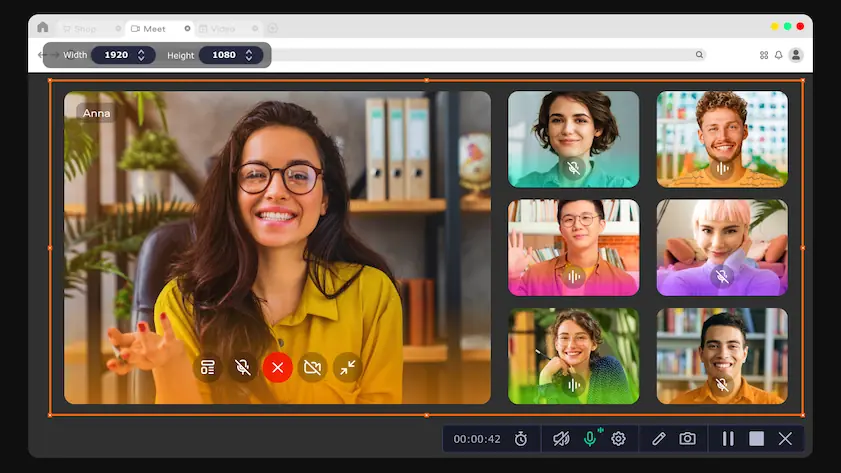
Movavi Screen Recorder stands out for its reliability and comprehensive feature set. This desktop application handles both system audio and microphone input simultaneously, ensuring you capture every word spoken during meetings. The scheduling function proves particularly valuable for recurring meetings or when you need to step away from your computer.
The interface stays clean and intuitive – you select your recording area, choose audio sources, and hit record. During capture, the built-in drawing tool lets you highlight important points or add quick annotations. Files export in multiple formats including MP4 and MOV, with resolution options up to 4K.
One standout feature: the ability to show mouse movements and keystrokes during recording. This becomes especially useful when documenting software demonstrations or training sessions that occur during Zoom calls.
Scheduled recordings work reliably for recurring meetings
Captures system audio and microphone simultaneously
Real-time drawing and annotation tools
High-quality output up to 4K resolution
No time limits on recordings
Free version includes watermark
Windows and Mac only – no mobile version
Larger file sizes compared to mobile solutions
Requires software installation and setup
2. iOS built-in Screen Recorder
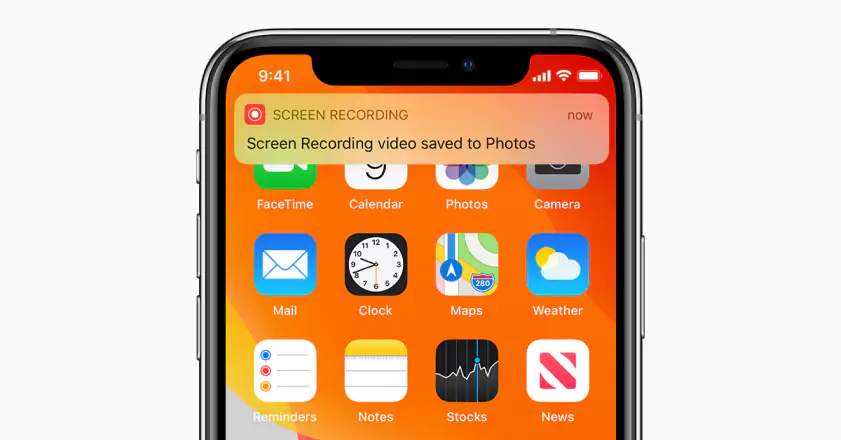
Apple's built-in screen recorder offers the simplest approach for iPhone and iPad users. Access it through Control Center by adding the Screen Recording button in Settings. Once enabled, a single tap starts recording everything on your screen, including Zoom meetings.
The tool captures audio from your device's microphone and any sound playing through speakers. For Zoom meetings, this means you'll record both your voice and other participants. The recordings save directly to your Photos app as MP4 files.
What makes this option compelling is its invisibility – no additional apps, no permissions to manage, no subscription fees. It just works when you need it.
Already installed on all iOS devices
Zero setup required
Free with no time restrictions
Automatic saving to Photos app
Works with any app including Zoom
iOS devices only
No advanced editing features
Limited audio control options
Can't schedule recordings in advance
Battery drain during longer sessions
3. AZ Screen Recorder
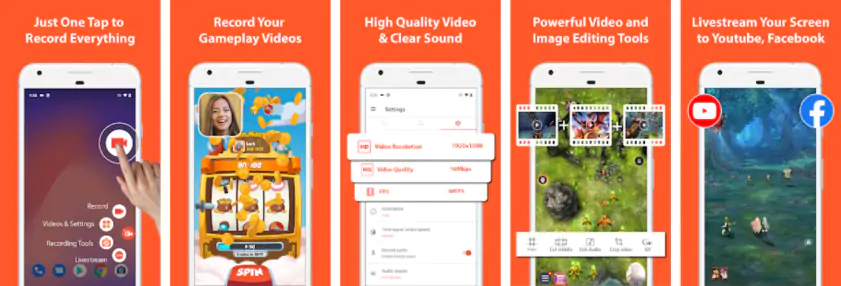
AZ Screen Recorder has earned its reputation among Android users for solid performance without the typical free app limitations. No watermarks appear on your recordings, and there's no artificial time limit forcing you to upgrade.
The app captures both internal audio and microphone input, crucial for recording Zoom meetings where you need both your voice and other participants. Video quality goes up to 1080p at 60fps, providing crisp footage of shared screens and presentations.
During testing, AZ handled hour-long meetings without crashes or audio sync issues. The floating control panel stays accessible but doesn't interfere with the Zoom interface.
No watermarks in free version
Unlimited recording time
Internal audio capture on compatible devices
Lightweight and stable performance
Multiple output formats available
Android only
Internal audio capture depends on device compatibility
Occasional ads in free version
Limited editing capabilities
No scheduling features
Users consistently praise AZ Screen Recorder's rich functionality and watermark-free recording in the free version, though some report periodic app crashes on certain Android devices and find the advertising intrusive.
4. OBS Studio
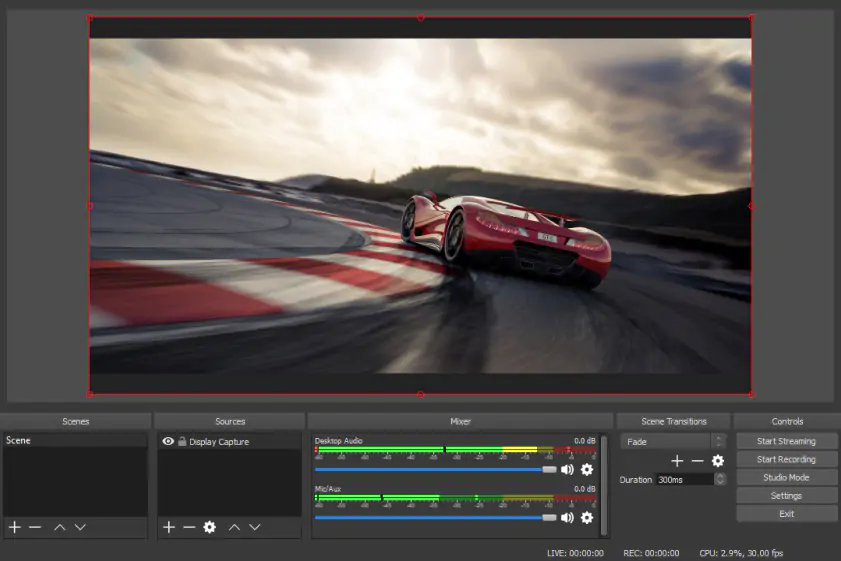
OBS Studio brings professional streaming capabilities to meeting recording. This open-source software offers extensive customization options, making it powerful but complex for beginners. You can set up multiple scenes, add overlays, and fine-tune audio levels.
For Zoom recording, OBS captures your entire screen or specific applications. The audio mixing capabilities let you balance participant voices, eliminate background noise, and adjust levels in real-time. Advanced users appreciate the plugin ecosystem that extends functionality further.
The learning curve is steep, but once configured, OBS delivers broadcast-quality recordings suitable for professional documentation or content creation.
Completely free and open-source
Professional-grade recording quality
Extensive customization options
Plugin support for additional features
Works on Windows, Mac, and Linux
Steep learning curve for beginners
Complex setup process
Can be resource-intensive
Overwhelming interface for simple recording needs
Requires technical knowledge for optimization
5. QuickTime Player (Mac)
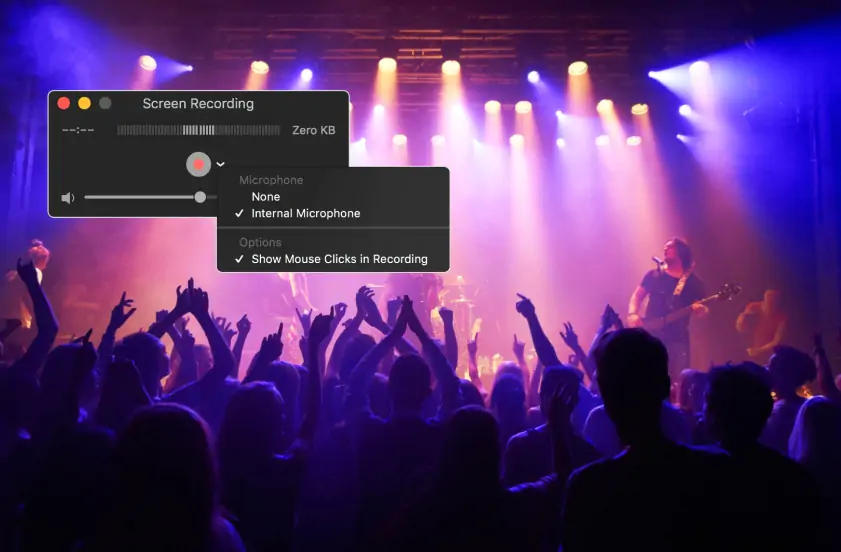
Mac users have QuickTime Player readily available for screen recording tasks. Access the function through File > New Screen Recording or use the keyboard shortcut Shift + Command + 5. The tool captures selected screen areas or the full display.
QuickTime handles audio recording from your microphone, though capturing system audio requires additional setup or third-party tools. The recordings save as MOV files, which work well within the Apple ecosystem but may need conversion for other platforms.
The simplicity makes QuickTime attractive for occasional recording needs, especially when you're already working on a Mac and want to avoid additional software installation.
Pre-installed on all Mac computers
Simple, no-frills interface
Good integration with macOS
Free with no limitations
Reliable performance
Mac only
Limited audio recording options
No advanced editing features
MOV format may need conversion
Cannot capture system audio without workarounds
Bonus: 4K webcam for recording Zoom meetings – OBSBOT Meet 2
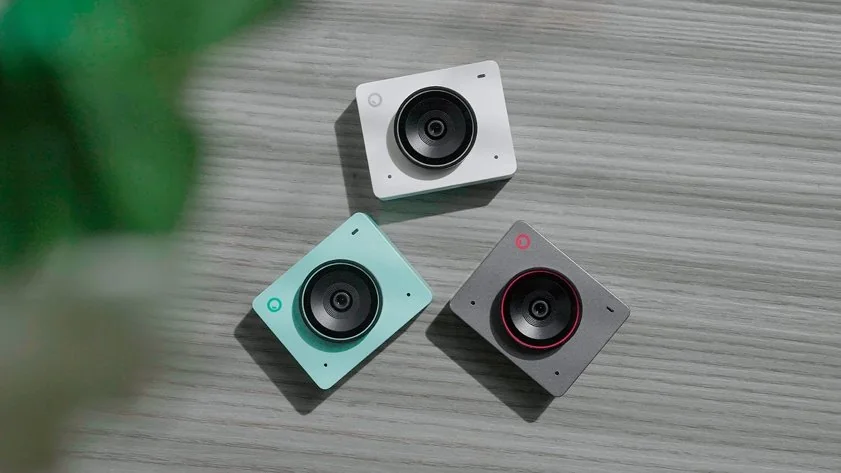
Recording software saves your Zoom meetings, but the quality of the recording still depends on your webcam. If you regularly record online classes, interviews, webinars, or client meetings, upgrading to a dedicated webcam can make your videos look noticeably sharper and more professional.
The OBSBOT Meet 2 is a 4K AI-powered webcam designed for high-quality video meetings and recordings. It features AI Auto Framing to keep you centered as you move, Background Blur to reduce distractions, and a built-in Privacy Cover for added peace of mind when the camera is not in use. With simple plug-and-play compatibility for Zoom, it's an easy upgrade for anyone who wants better-looking Zoom recordings.
Choosing the right recording method
The best tool depends on your specific situation and requirements. Quick mobile recordings work well with built-in options – iOS Screen Recorder for iPhone users or AZ Screen Recorder for Android devices. These solutions require minimal setup and handle most basic recording needs.
Professional documentation or content creation benefits from desktop solutions like Movavi Screen Recorder or OBS Studio. Desktop tools offer better audio control, higher quality output, and advanced features like scheduling or real-time editing.
Consider your technical comfort level too. Built-in recorders and Movavi provide straightforward experiences, while OBS demands more technical knowledge but rewards you with professional capabilities.
Important considerations
Audio quality matters more than video resolution. Test your audio setup before important meetings – record a short sample to verify both your microphone and system audio capture correctly. Poor audio makes even high-definition video worthless.
Battery and storage planning becomes crucial for mobile recording. Long meetings drain phone batteries quickly and create large video files. Ensure adequate free space and consider connecting to power during extended sessions.
Ethical recording practices should guide your approach. While these tools enable recording without host permission, consider informing participants when legally and ethically appropriate. Different jurisdictions have varying requirements for consent in recorded conversations.
Frequently asked questions
Can you record a Zoom meeting without being the host?
Can you record a Zoom meeting without being the host?
Yes, you can record Zoom meetings as a participant using third-party screen recording software. Tools like Movavi Screen Recorder, iOS built-in recorder, or AZ Screen Recorder capture your screen including the Zoom interface and audio, regardless of your role in the meeting.
How to record a video on Zoom using mobile devices?
How to record a video on Zoom using mobile devices?
Mobile recording works through built-in screen recording features or dedicated apps. iPhone users can enable Screen Recording in Control Center, while Android users can use apps like AZ Screen Recorder. Both methods capture the Zoom meeting along with audio from participants.
Will other participants know if I'm recording the meeting?
Will other participants know if I'm recording the meeting?
Screen recording apps typically don't notify other Zoom participants about your recording activity. However, some participants might notice recording indicators on your device or hear audio feedback. Consider informing others about recording when appropriate for transparency.
How to record a Zoom call with good audio quality?
How to record a Zoom call with good audio quality?
Ensure your device captures both microphone input and system audio. On desktop, tools like Movavi Screen Recorder handle both sources automatically. Mobile devices may need specific settings enabled – check that your screen recorder includes internal audio capture for complete meeting recording.
What's the best free option to record Zoom meetings?
What's the best free option to record Zoom meetings?
Built-in screen recorders offer the most convenient free solution – iOS Screen Recording for Apple devices or AZ Screen Recorder for Android. These tools provide unlimited recording time without watermarks, making them ideal for occasional meeting capture without additional software costs.
How much storage space do recorded Zoom meetings require?
How much storage space do recorded Zoom meetings require?
Storage requirements vary based on video quality and meeting length. A one-hour meeting typically uses 500MB to 2GB depending on resolution settings. Higher quality recordings create larger files, so ensure adequate free space before starting lengthy meeting recordings.


1.5M+ users already subscribed to our newsletter